Expert Siding Services to Enhance Your Home's Aesthetic
Expert exterior services provide homeowners a sensible approach to enhance curb appeal. Premium materials and skilled installation can tackle common exterior issues while providing lasting protection. Multiple siding options exist, each with unique benefits that suit different aesthetic and functional needs. Understanding these choices is essential for making a well-informed decision. What factors should be evaluated when selecting the right siding for a property? The answer may astonish many homeowners.
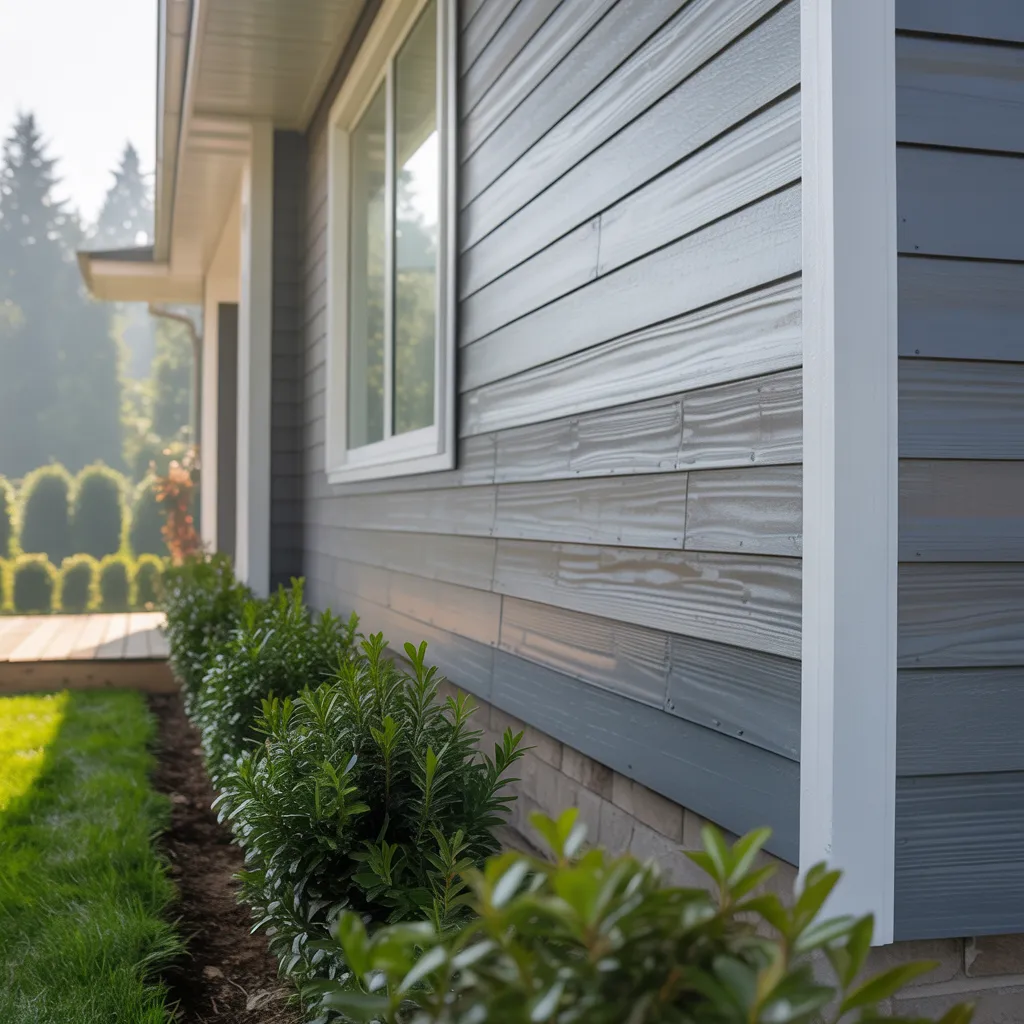
Why Quality Siding Fixes Common Curb Appeal Concerns
When homeowners seek to upgrade their property's aesthetic charm, quality siding proves to be a vital fix to typical issues with curb appeal. Deteriorating or outdated siding can diminish a home's appeal, making it appear neglected. By applying premium siding, homeowners can greatly improve the aesthetic of their property, producing a new and welcoming appearance. New siding not only rejuvenates the façade but also works to defend the underlying structure from weather-induced damage, thereby preserving the home's integrity.
Moreover, superior siding provides a diversity of colors and styles, allowing homeowners to customize their look according to personal style and neighborhood trends. This versatility can raise a property's market value, making it more attractive to potential buyers. Ultimately, investing in quality siding addresses both immediate visual concerns and long-term maintenance issues, ensuring that a home stands out positively within its community.
Choosing Between Vinyl, Wood, and Fiber Cement: Your Guide to the Ideal Exterior Cladding Option
When assessing siding materials, homeowners frequently consider factors like expense, durability, and visual charm. Vinyl, wood, and fiber cement each deliver different strengths and obstacles that may impact your selection journey. Learning about these features allows people to identify the most suitable solution for their needs and preferences.
Investment and Budget Review
Choosing the right siding material requires not only aesthetic preferences but also thoughtful evaluation of cost and future budget implications. Vinyl siding is usually the most cost-effective option, often needing a lower initial outlay and minimal upkeep costs. In contrast, wood siding offers a costlier alternative, with greater installation fees and regular maintenance demands that can grow over time. Fiber cement siding occupies a mid-range price level, bringing durability that might justify its cost in the long run. Homeowners need to review their financial position and take into account possible expenses related to installation, maintenance, and energy efficiency for each material, ensuring an informed choice that fits their budget.
Strength and Care Needs
Reviewing endurance and upkeep requirements is important for homeowners picking siding materials. Vinyl siding is known for its resilience, calling for little maintenance, as it resists fading and can be easily cleaned. In contrast, wood siding delivers natural aesthetics but requires ongoing care, such as painting or staining to protect against decay and pest damage. Fiber cement siding finds middle ground, providing strength equivalent to vinyl while offering improved protection to weather and pests. However, it necessitates regular repainting. Homeowners must assess these factors against their habits and willingness to spend time and resources into maintenance. Ultimately, the type of siding material should combine durability goals with care preferences.
Aesthetic Appeal Choices
A homeowner's selection in siding material greatly influences the property's overall aesthetic appeal. Vinyl siding offers a wide range of colors and styles, allowing homeowners to achieve a modern look with little maintenance. Its affordability and versatility make it a favored choice. In contrast, wood siding radiates a timeless beauty, providing natural appeal and warmth. However, it requires more maintenance to avoid decay and fading. Fiber cement siding blends the advantages of both types, mimicking wood's appearance while delivering enhanced durability and low maintenance. It is available in many colors and textures, making it suitable for various architectural styles. Ultimately, the decision among vinyl, wood, and fiber cement relies on the homeowner's design taste and maintenance commitment.
Siding Options and How They Affect Your Energy Costs
While homeowners often emphasize style when selecting siding, the effect on energy bills is just as important. Different siding materials offer diverse levels of insulation, which can greatly impact heating and cooling costs. For example, insulated vinyl siding can cut down energy consumption by minimizing heat loss during winter and heat gain in summer. By contrast, materials like wood or standard vinyl may not provide the same energy efficiency, leading to higher utility bills.
Additionally, the hue and surface of siding can impact energy efficiency. Lighter shades bounce off sunlight, potentially lowering cooling costs, while darker tones absorb heat. As a result, homeowners should weigh both the visual appeal and energy performance of their siding choices. Ultimately, selecting energy-efficient siding not only enhances curb appeal but also contributes to long-term savings on energy expenditures, making it an essential consideration in the decision-making process.
How to Confirm Suitable Siding Placement for Extended Performance?
Proper siding installation is crucial for ensuring its longevity learn about this and performance. To achieve this, property owners should hire expert siding professionals with demonstrated expertise. These experts comprehend the nuances of various material types and the significance of proper alignment and fastening techniques.
Moreover, selecting high-quality materials is paramount; inadequate products may degrade at a rapid pace, compromising the installation's integrity. Before starting installation, the underlying structure must be evaluated for damage or water complications, as these can trigger major problems later.
Proper weatherproofing methods, such as installing a vapor shield, further enhance durability. Once the siding is in place, routine maintenance, including inspections and cleaning, can stop minor issues from worsening.
How Hue and Texture Can Make Your Home Be Distinctive
Determining the best tone and material for siding can alter a home's exterior, substantially increasing its curb appeal. Vivid shades can draw attention and create a modern appearance, while muted tones often exude elegance and timelessness. For instance, a bold blue or deep red can make a house be prominent in a neighborhood, whereas light grays and ivory can create a serene atmosphere.
Texture likewise plays a important role; refined finishes can create a current feel, while coarse surfaces lend a traditional charm. Combining varied materials, such as wood and vinyl, can add visual dimension and depth. Additionally, the choice of color and texture can represent personal style and harmonize the surrounding landscape. Ultimately, a thoughtful selection of siding color and texture not only improves the home’s appearance but also boosts its market value, making it a wise investment for homeowners looking to stand out.
Maintenance Recommendations to Keep Your Siding Looking New
Regular upkeep is essential for maintaining the appearance and longevity of siding. Homeowners should start by cleaning the siding at least twice a year, using a mixture of water and mild detergent. This helps remove dirt, mold, and mildew that can accumulate over time. Additionally, inspecting for cracks or damage is vital; any issues should be addressed promptly to prevent further deterioration.
Using a protective coating every several years can enhance durability, especially for wood siding. Homeowners should also check that drainage systems are clear to avoid moisture damage. Landscaping elements, like bushes or trees, should be trimmed away from the exterior to avoid water accumulation and pest infestations.
Finally, doing a fresh coat when required not only enhances the finish but also acts like an extra layer of safeguard. Following these maintenance recommendations helps keep siding in pristine condition and extend its lifespan considerably.
What to Expect From Professional Siding Solutions
Maintaining siding is an important element of residential maintenance, but when it comes to significant upgrades or replacements, experienced siding professionals can furnish expert guidance. Homeowners can receive a thorough assessment of their current siding condition, uncovering any underlying issues such as rot or mold. Professionals offer a variety of materials and aesthetics, helping homeowners in determining options that strengthen both beauty and resilience.
Throughout the installation stage, clients can look forward to efficient schedule administration, guaranteeing timelines are met while minimizing disruptions. Skilled technicians will handle all aspects, from taking off old siding to guaranteeing proper insulation and moisture barriers are installed.
Post-installation, many services include warranties, ensuring peace of mind for homeowners. Additionally, professionals often instruct clients on maintenance routines to extend the lifespan of their new siding. Overall, retaining professional siding services not only improves curb appeal but also secures a quality installation that stands the test of time.
Often Requested FAQs
How Much Time Does the Siding Installation Process Typically Take?
Siding installation usually lasts one to three weeks contingent upon the complexity of the job, weather, and home size. Material selection and worker availability can also determine the timeframe.
Discover the Leading Siding Options for Intense Weather
For extreme weather, fiber cement, vinyl, and insulation siding are ideal choices. These materials offer durability, resistance to moisture, and defense from strong winds, guaranteeing homes stay safe and energy-efficient in difficult weather.
Are payment plans offered for siding projects?
Numerous homeowners consider different financing options for siding undertakings, including personal loans, home equity credit lines, and builder financing options. These alternatives can control costs while ensuring quality materials and expert installation for their homes.
Is New Siding Able to Increase My Home's Market Value?
Siding installation can greatly increase a home's resale value. Prospective homeowners often value visual appeal and durability, making superior siding an attractive feature that enhances overall appeal and can bring about higher offers during sales.
When Often Should I Refresh My Home's Siding?
Homeowners ought to think about replacing siding every 20 to 40 years, depending on material quality and environmental factors. Regular inspections can help identify damage and guide timely replacements, ultimately maintaining both aesthetics and structural soundness.